

Can Massage Help Chronic Stiffness? What to Know
That familiar feeling of moving through the day as though your shoulders, hips, or lower back need time to catch up can wear on more than your body. Chronic stiffness can make a desk job feel heavier, a workout less enjoyable, and even restful moments less restorative. So, can massage help chronic stiffness? For many people, yes. Thoughtful massage can ease muscle tension, support more comfortable movement, and create a valuable pause in the patterns that keep the body braced. The right approach depends on what is causing the stiffness, how long it has been present, and what your body needs that day.
Why Chronic Stiffness Can Be So Persistent
Stiffness is not always a sign that a muscle is simply "tight." It can be influenced by repetitive work positions, stress, reduced movement, intense training, old injuries, poor sleep, or the natural changes that come with age. The body often responds to these demands by holding protective tension, particularly around the neck, shoulders, hips, glutes, and lower back.
For working professionals, hours at a keyboard or behind the wheel may leave the chest and hip flexors feeling shortened while the upper back and low back work overtime. Active adults may feel stiffness after challenging workouts, long runs, or weekend projects. Stress can add another layer: when the nervous system stays on alert, muscles may remain subtly contracted even when there is no immediate physical demand.
This is why a single stretch or one very intense session does not always solve the problem. Chronic stiffness usually benefits from a more patient rhythm of care, combining skilled bodywork with regular movement, recovery, and attention to the habits that may be feeding the tension.
Can Massage Help Chronic Stiffness Over Time?
Massage can help by working with both the physical sensation of tightness and the nervous system’s response to it. Skilled, measured pressure may encourage muscles to relax, improve circulation to the area, and reduce the feeling of restriction that makes ordinary movement uncomfortable. Many guests notice they can turn their head more freely, stand taller, or move from sitting to standing with less hesitation after a session.
The effect is not only mechanical. Calming, attentive touch can shift the body away from its stress response. When breathing slows and the nervous system feels safer, it may become easier for guarded muscles to soften. This is one reason a massage can feel deeply restorative even when the therapist is not using forceful pressure.
Still, massage is not a cure for every source of stiffness. If joint arthritis, a disc issue, inflammatory condition, nerve irritation, or an untreated injury is involved, massage may be one helpful part of a wider care plan rather than the entire answer. Sustainable relief often comes from pairing massage with guidance from an appropriate medical provider, along with mobility work, strength training, ergonomic changes, hydration, sleep, and recovery.
What Results Should You Expect?
Some people feel lighter and more mobile immediately. Others notice the greater benefit over the following day or two, once the body has had time to settle. If stiffness has built up for months or years, it is reasonable to expect progress to be gradual rather than dramatic after one appointment.
The goal is not to force the body into submission. It is to create more ease, improve awareness of where tension gathers, and support a pattern of care that helps stiffness return less intensely or less often. A therapist should check in about pressure, comfort, and goals throughout the service. Productive work can feel focused and intense at times, but it should not feel sharp, alarming, or impossible to relax into.
Choosing the Right Massage Style for Stiff Muscles
The best massage for chronic stiffness is personal. A guest with desk-related shoulder tension may need a different experience than someone recovering from a demanding training cycle or managing general stress and fatigue.
Traditional Thai Massage can be especially supportive for people who feel restricted through several areas of the body rather than one isolated muscle. Using rhythmic pressure, assisted stretches, and mindful movement, Thai techniques can help the body feel more open and balanced. It is a restorative choice for guests who appreciate active stretching alongside hands-on bodywork.
Thai Combination Massage blends Thai-inspired stretching and pressure with oil-based massage techniques. This can be a beautiful middle ground when you want focused work on persistent tension while still enjoying the flowing calm of a spa treatment. Deep tissue massage may be appropriate when specific muscle groups feel particularly dense or overworked, though deeper is not always better. Precise, responsive pressure is more valuable than intensity for its own sake.
Relaxation massage is also worth considering, particularly when chronic stiffness rises alongside stress, poor sleep, or a consistently busy schedule. A calmer session can help interrupt the cycle of tension and fatigue. Aroma oil or hot stone enhancements may further support comfort by adding warmth and sensory calm, especially for guests who respond well to a slower, more soothing pace.
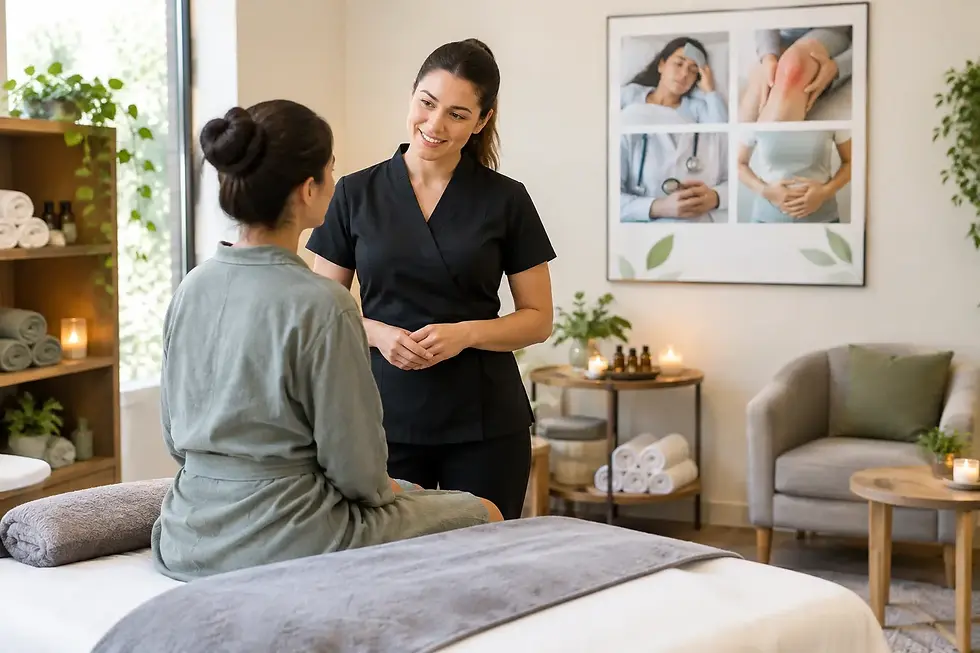
At Serene Massage, the most restorative session begins with a simple conversation about where you feel limited, what daily activities are affected, and how much pressure feels right. Personalized care allows the treatment to meet your body where it is rather than following a one-size-fits-all routine.
A Better Rhythm Than Waiting Until You Hurt
Many people book only when stiffness becomes impossible to ignore. While an occasional massage can provide welcome relief, regular appointments may be more useful for chronic patterns. The ideal frequency varies. Someone with substantial work stress or a physically demanding routine may benefit from sessions every two to four weeks, while others may find that monthly care supports their comfort and mobility.
Pay attention to your body between visits. Notice whether your range of motion, sleep quality, mood, or ability to exercise changes after massage. These observations help you and your therapist shape future sessions with greater intention.
Massage also works best when it is followed by gentle support at home. You do not need an elaborate wellness routine. A short walk after long periods of sitting, a few comfortable mobility movements, adequate water, and consistent sleep can help preserve the ease created during your session. If a therapist suggests a simple stretch or movement, think of it as an invitation to continue the care, not another item on a demanding to-do list.
When Stiffness Needs Medical Attention
Massage therapists can adapt a service around many common tension patterns, but certain symptoms should be evaluated by a medical professional before booking or continuing bodywork. Seek prompt care for stiffness accompanied by unexplained weakness, numbness or tingling, loss of balance, fever, sudden swelling, severe pain after an injury, chest pain, or changes in bladder or bowel control.
It is also wise to speak with your healthcare provider if pain wakes you at night, stiffness is steadily worsening, or you have a diagnosed condition that may affect treatment. Share relevant health information before your appointment, including recent surgery, pregnancy, blood-clot concerns, osteoporosis, medications, or active inflammation. Clear communication helps your therapist provide a safer, more comfortable experience.
Make Space for Restoration
Chronic stiffness is often the body’s quiet request for more care, more movement, or more recovery. A massage cannot erase every cause, but it can offer a meaningful reset: a chance to breathe more deeply, move with greater comfort, and reconnect with what your body has been carrying.
Choose a style and pace that feel supportive, not punishing. With mindful bodywork and a consistent rhythm of self-care, relief can become less of an emergency measure and more of a lasting ritual of balance and vitality.


Comments