

Your Guide to Thai Massage Etiquette Before You Go
A Thai massage can feel wonderfully different from a conventional spa massage: rhythmic pressure, assisted stretches, and mindful movement work together to ease tension and restore balance. This guide to Thai massage etiquette will help you arrive feeling prepared, communicate with confidence, and receive the full benefit of your time on the mat or table.
What Makes Thai Massage Etiquette Different?
Traditional Thai Massage has roots in a healing tradition that views the body as an interconnected whole. Rather than simply working on one tight shoulder or sore lower back, the therapist may use hands, forearms, elbows, and carefully guided stretches to encourage freer movement and deep relaxation.
That active, intentional style changes a few practical expectations. In a traditional session, you may remain comfortably clothed in loose attire while the therapist guides your body through supported positions. Thai Combination Massage may blend these techniques with oil-based table massage, so draping and preparation can look more like a familiar spa experience.
The central etiquette is simple: arrive with openness, communicate honestly, and treat the appointment as a shared process of care. Your therapist brings trained technique and professional attention. You bring your comfort level, health information, and permission to adjust the experience when needed.
Before Your Appointment: Arrive Ready to Settle In
Give yourself time to transition out of traffic, work messages, and the pace of the day. Arriving about 10 to 15 minutes early is a thoughtful standard, particularly for a first visit. It allows time to complete intake forms, use the restroom, review your goals, and begin your session without feeling rushed.
Wear clean, comfortable clothing if you are booked for Traditional Thai Massage. Think flexible pants or leggings and a breathable top that lets you bend and stretch easily. Avoid restrictive jeans, delicate fabrics, or clothing with bulky belts, zippers, and jewelry. If your appointment includes oil, aroma oil, hot stones, or a combination of Thai and table work, the spa will explain what to remove and how professional draping will be used.
A light meal beforehand is usually more comfortable than arriving very full or very hungry. It is also wise to avoid alcohol before massage. Hydration can support comfort, but there is no need to overdo it immediately before your appointment.
Silence your phone before entering the treatment space. A massage is a rare chance to let your nervous system soften. Protecting that quiet also respects the guests and therapists around you.
Share Relevant Health Information Clearly
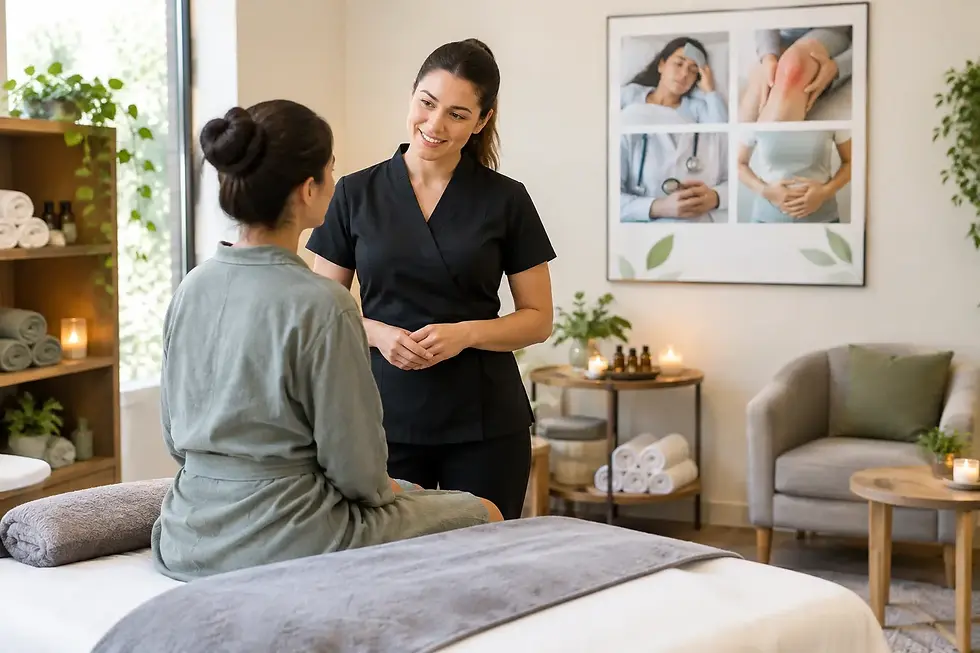
The intake conversation is not a formality. Let your therapist know about recent injuries, surgeries, pregnancy, chronic pain, skin sensitivities, blood-pressure concerns, medications that affect bruising or sensation, and any areas that should be avoided. Mention if you are recovering from a workout, have a headache, or simply feel unusually tender that day.
Be specific about your intention as well. You might be seeking deeper work for tight hips, relief after long hours at a desk, a gentler restorative session, or a relaxing couples experience. There is no prize for tolerating discomfort. Clear information helps your therapist tailor pressure, stretching, and pacing to your body.
If you have a fever, contagious illness, vomiting, or a condition that makes massage unsafe, rescheduling is the considerate choice. When in doubt, ask the spa or consult your medical provider before your appointment.
During the Session: Communication Is Part of the Care
Thai massage often includes pressure that feels substantial and stretches that reach areas you may not access in daily life. Deep work can be productive without being painful. A useful guideline is that you should be able to breathe steadily and allow your body to relax into the technique.
Speak up right away if pressure is too intense, a stretch pinches, you feel numbness or sharp pain, or you become dizzy, cold, or uncomfortable. Simple phrases work well: “Could you use lighter pressure?” “My right knee is sensitive,” or “That stretch feels too deep today.” A skilled therapist welcomes this feedback and can adapt without interrupting the calming rhythm of the session.
The opposite is true, too. If you enjoy firmer pressure and your body is responding well, you may say so. Still, the best pressure can change from one area to another. What feels restorative across the upper back may be too strong around the neck or calves.
Professional boundaries matter in every massage setting. Your therapist should explain positioning as needed, use appropriate draping for table-based services, and maintain a respectful, therapeutic environment. You are always entitled to ask a question, request an adjustment, or end a session if something does not feel right.
Let Your Body Participate, Without Trying to Perform
You do not need to help the therapist force a stretch or hold your body rigidly in anticipation of movement. When invited to move, follow the instruction gently. Otherwise, allow your limbs to be heavy and supported. Slow breathing can make Thai stretches feel more spacious and effective.
Some guests worry about making noises from their stomach, falling asleep, or not knowing what to say. None of these is a breach of etiquette. Quiet is welcome, and brief conversation is fine when it supports your comfort. Let the room be a place where you do not have to perform, explain, or stay “on.”
Respecting the Thai Healing Tradition
Authentic Thai-inspired care is rooted in attentiveness, respect, and a view of wellness that extends beyond temporary relaxation. You do not need to know Thai customs or use special greetings to be a good guest. Being present, kind, and receptive is enough.
It is respectful to follow the therapist’s guidance about where to place your shoes, belongings, and body during the treatment. If a session takes place on a floor mat, clean socks may be appropriate depending on the service and spa’s preference. Ask if you are unsure rather than feeling self-conscious.
Try not to treat a Thai massage as a test of flexibility or toughness. Each person’s range of motion, stress level, and physical history is different. The purpose is not to achieve the deepest possible stretch. It is to support circulation, mobility, calm, and a more balanced relationship with your body.
After Your Massage: Give the Benefits Room to Last
When the session ends, take a moment before standing. Thai massage can leave you feeling deeply relaxed, energized, or pleasantly loose. Move slowly, especially after focused work on the hips, back, legs, or neck.
Drink water, enjoy a nourishing meal when you are ready, and consider keeping the rest of your day a little lighter. A gentle walk or warm shower may feel good. Intense exercise immediately afterward is not always ideal, particularly after deep tissue work or strong assisted stretching. Your therapist can offer guidance based on the session you received.
Mild tenderness can occur after more therapeutic pressure, much like the feeling after using muscles in a new way. Sharp pain, prolonged numbness, or symptoms that concern you deserve attention from a qualified medical professional.
Tipping and Rebooking With Grace
In the United States, tipping massage therapists is customary when you are pleased with the service. Many guests choose a gratuity of roughly 18 to 25 percent, adjusted for the quality of care and any promotions applied. If you are uncertain about the spa’s preferred method for gratuity, ask at the front desk.
If your therapist’s approach was especially helpful, share that feedback directly. Mentioning the pressure, stretches, or focus areas that worked well makes a future session even more personalized. For ongoing tension from work, training, or stress, regular appointments may offer more lasting support than waiting until discomfort becomes overwhelming.
Life occasionally requires a change of plans. Canceling or rescheduling as early as possible respects your therapist’s reserved time and gives another guest the opportunity to receive care. Review the spa’s current cancellation policy when you book, especially for couples appointments and longer services.
A well-received Thai massage should leave you feeling cared for rather than uncertain about what came next. At Serene Massage, your therapist can guide you through the details so your focus stays where it belongs: breathing deeply, releasing what no longer serves you, and making room for renewed vitality.


Comments